
Product development
Start with the recipe, intended use, target cost and customer need.
An approximately 6,000 sq ft facility in Ipoh, with a staged approach to food commercialisation and industrialisation.
Blast freezing links product preparation, portioning and packing with frozen storage and cold-chain distribution. Freezing conditions, storage requirements and product specifications are confirmed for each project.
Connect ingredients, recipes, processes and packaging into a repeatable product-development path. The aim is to help partners move from a kitchen idea to a product with clear specifications and a practical route to market.
Start with the recipe, intended use, target cost and customer need.
Define ingredients, portions and product specifications.
Assess preparation, processing, packing and freezing requirements.
Discuss foodservice, bulk and retail formats for the product.
Agree checks, batch records, storage and release requirements.
Align sampling, quotation, product positioning and delivery arrangements.
The scope is agreed per project. Testing, packaging suitability, shelf life and approvals are confirmed before commercial commitments.
From raw frozen products to cooked components and future shelf-stable formats. Each step follows actual process readiness and validation.
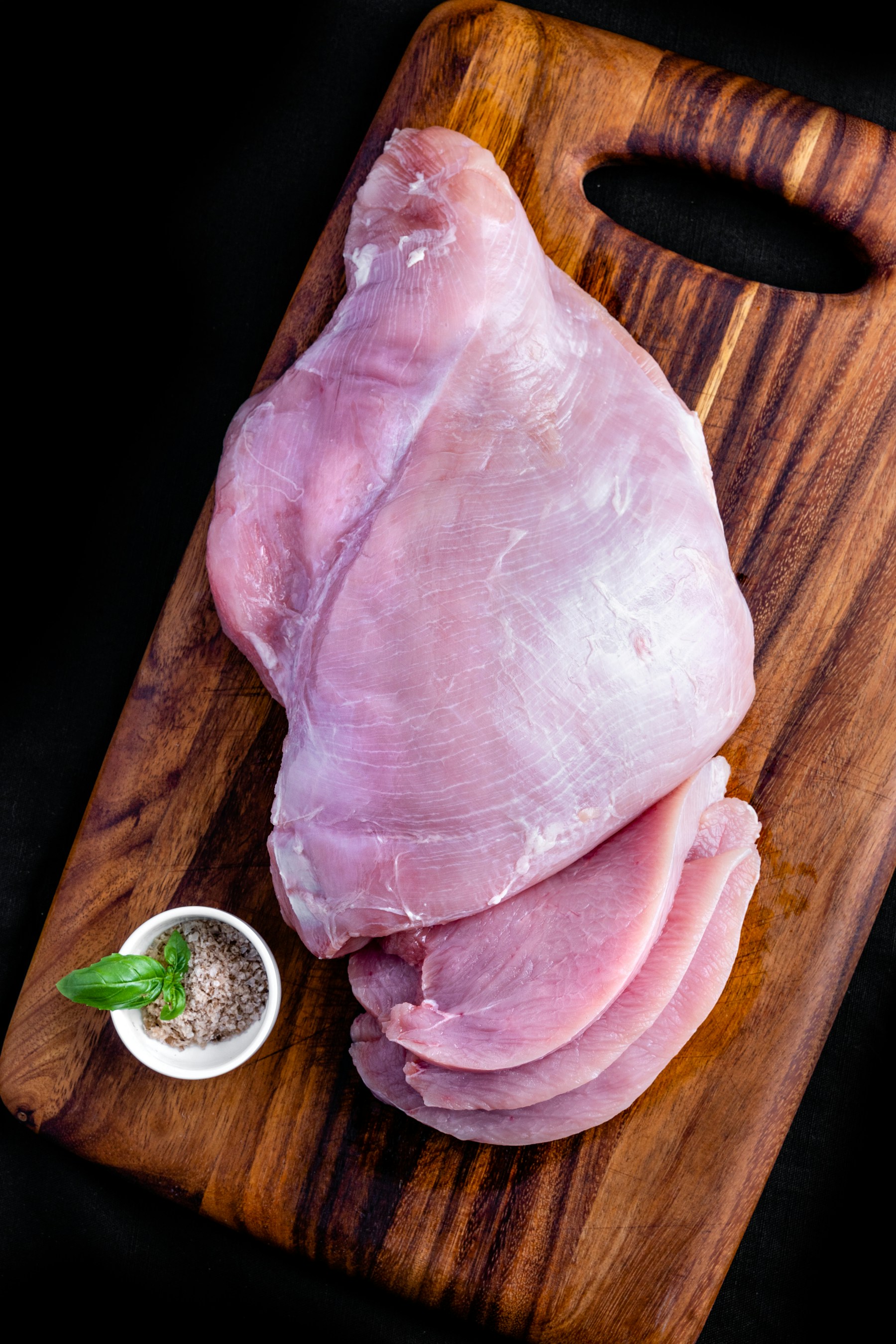
Cutting, marination, portioning, packing and blast freezing. Chicken chop, wings and satay are product directions to discuss.
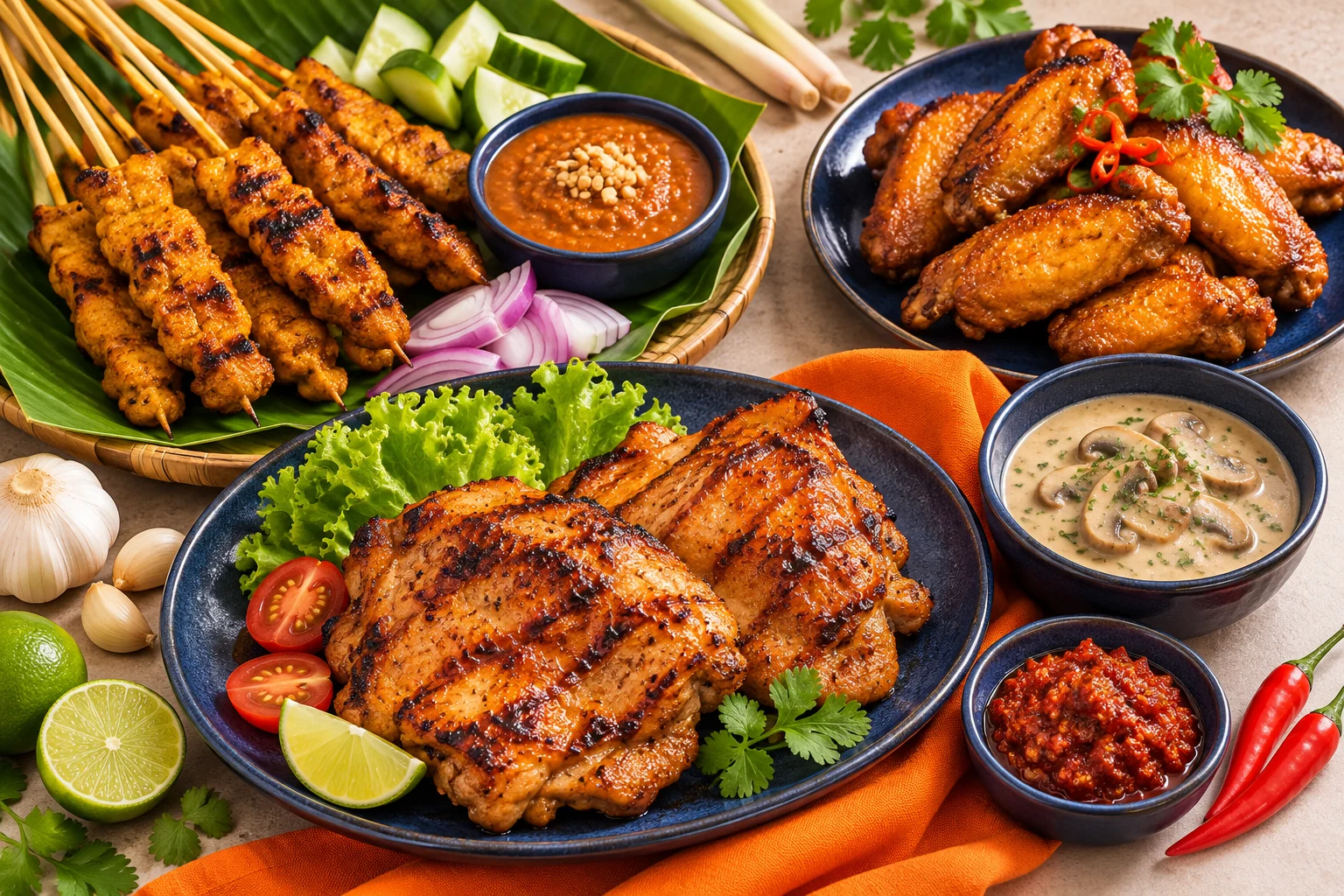
Explore controlled cooking and rapid cooling for portioned proteins, with process and raw/cooked separation assessed first.
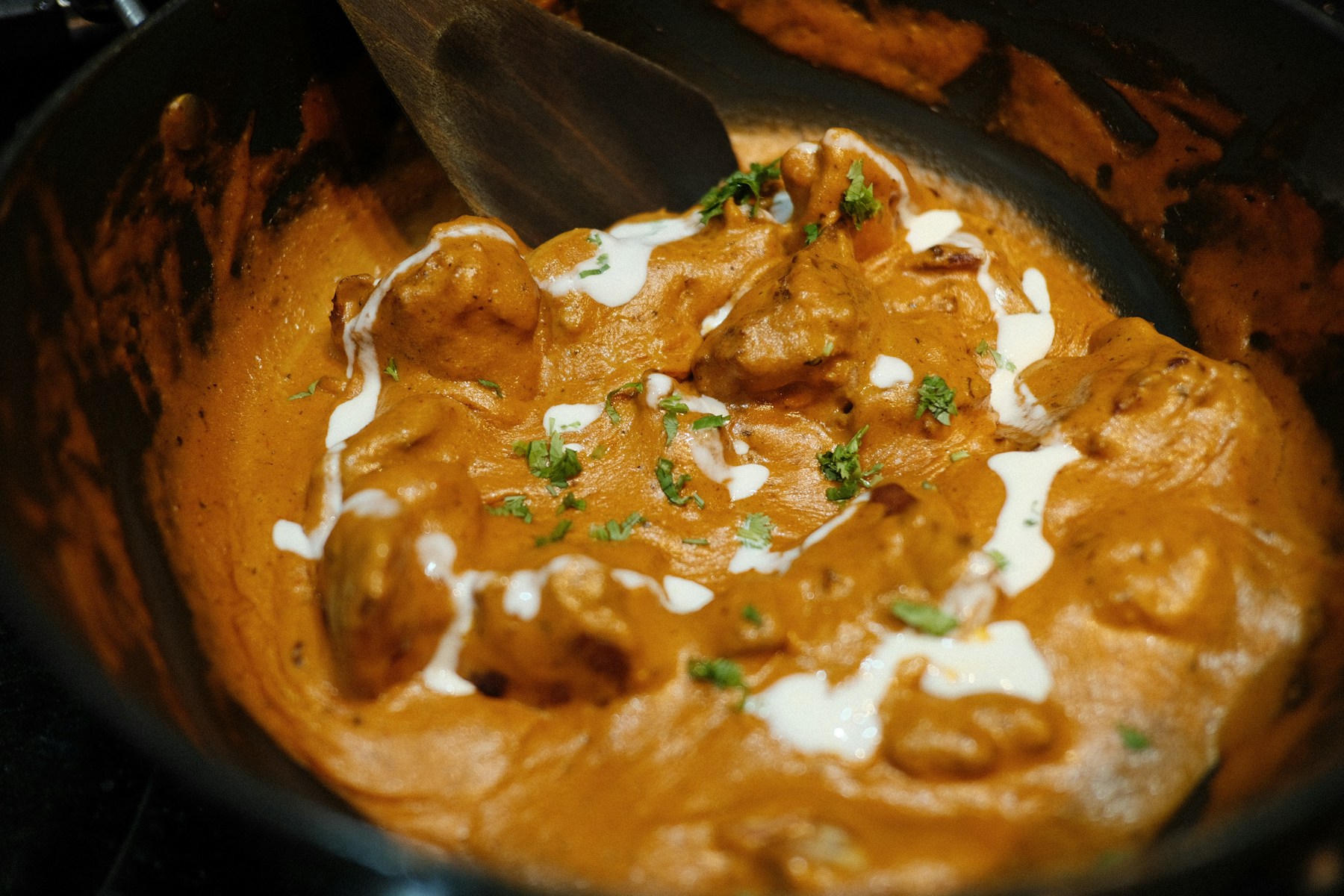
Develop protein-and-sauce components, cooked dishes or meal formats with suitable cooling, packing and reheating instructions.
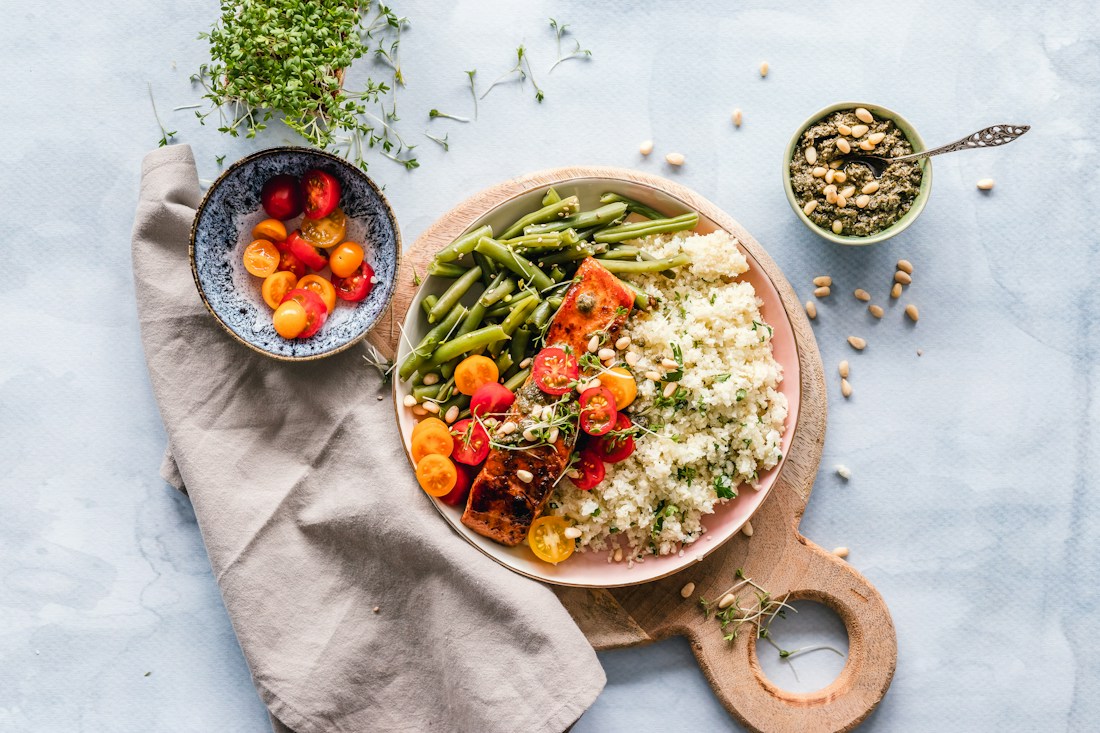
A future direction for compatible meals and sauces, subject to equipment, thermal-process validation and destination requirements.
Images illustrate product directions. Later phases are a roadmap, not confirmation of an operational line, validated shelf life, certification or export approval.